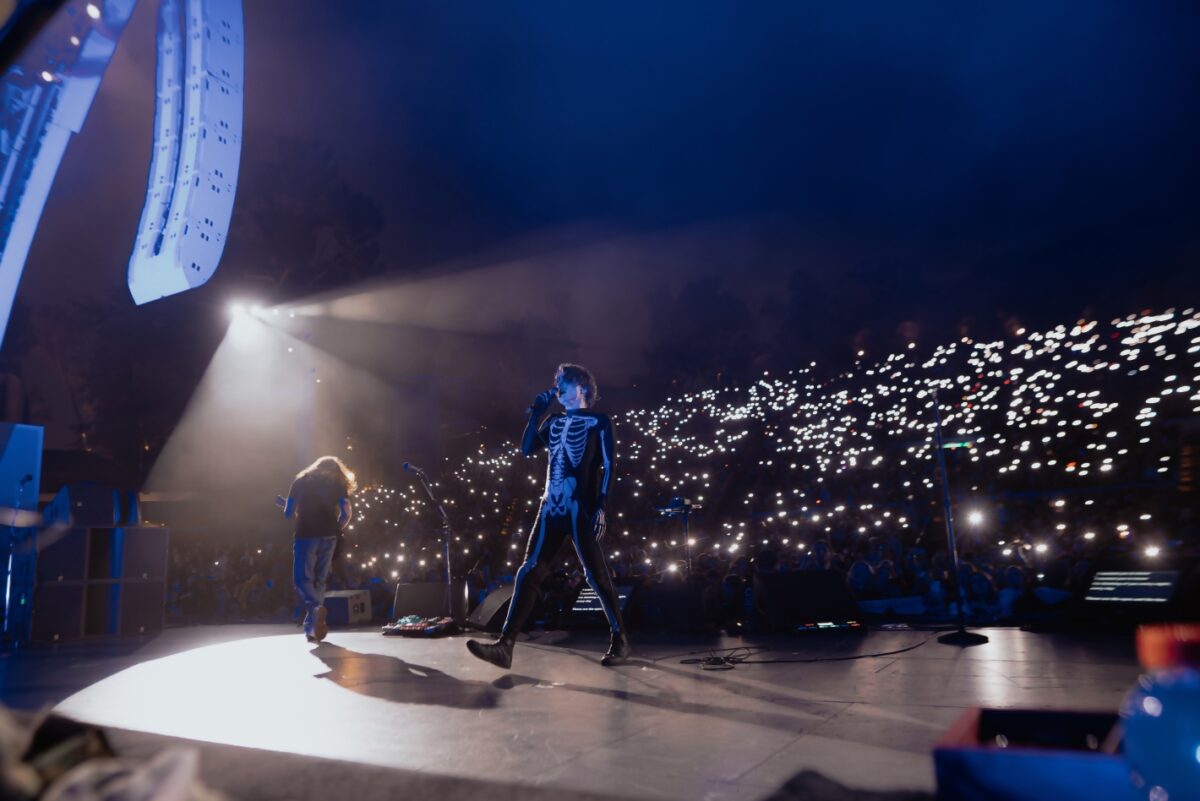
Hollywood Bowl, Los Angeles, October 30, 2026
We’re living in a nostalgia economy, and if you’re a Millennial, this has been especially true over the last few years.
It is a result of culture’s classic 20-year cycle, as much as it is the world’s current political and societal unrest, a plague that’s been especially exacerbated by social media and accessibility to information. The true, the false, and the unsettlingly in-between. Surrounded by division, there’s a healing effect in hearing “the band is back together again” and being reminded of bedrooms plastered with torn posters, littered with CDs. For some, seeing The Backstreet Boys soaring through the air on “futuristic surfboards” at the Sphere in Las Vegas delivers just enough dopamine to experience mental, maybe even spiritual, time travel. But just down the road, for mall rats with more piercings, When We Were Young and Sick New World drew crowds desperate for a similar catharsis, with their curated festivals celebrating the early aughts pop-punk and nu-metal scenes, respectively.
There have been reunion tours, anniversary pressings, and many artists from that era seeing unparalleled growth in audience size, listeners, and an expanded demographic — even outweighing their former heyday. Death Cab for Cutie and The Postal Service’s ‘Transatlanticism’ / ‘Give Up’ tour saw the bands play sold-out arenas, while the original Transatlanticism tour was a theatre run. Just this year, Bring Me The Horizon sold out Madison Square Garden for the very first time, and Deftones played for 50,000 at Outbreak, their largest show to date after nearly 40 years as a band.
That said, none have recontextualised their career quite like New Jersey’s own My Chemical Romance — who this week hit number one on the all-genre Billboard 200 with a reissue of their lauded 20-year-old concept album The Black Parade, setting a new record for the longest wait to reach the top. The idiosyncratic album, when it first arrived in 2006, took the band from emo popularity to mainstream success, solidifying their name as alt-pop royalty. The massive rock opera emulated the shiny grandeur of Queen while fostering the dark, highly conceptual world-building the band had become known for— it also shines through in frontman Gerard Way’s work telling other serialised stories in the comic book world.
Famously known as the band that was formed in the wake of the 9/11 attacks, as a reactionary impulse from Way, the album reinforced that this band wasn’t just dictating stories of make-believe, but speaking out in shadowy song as well, on the horrors of life, death, and the very real world outside.
As an album, as well as a cultural phenomenon, ‘The Black Parade’ went on to define an entire generation, who would go on to make memes about the first piano note of its title track, the one that would laughably “identify a Millennial”. However, contrary to the joke, even though the band broke up for six years between 2013 and 2019 and hasn’t released new music since 2010’s Danger Days, the pandemic brought TikTok’s swift rise and a resurgence of popularity around this era and style of alternative music. At the time, younger generations were finding and falling for bands like Pierce the Veil, Paramore, My Chemical Romance, and the like—and redefining the culture and sound in their own style.
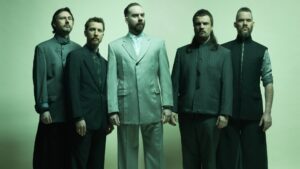
The four-piece band kicked off 20-year anniversary of ‘The Black Parade’ in sleek black suits at the 2024 When We Were Young festival, though what followed over the next two years was anything but predictable. They toured the album around the world, with a show that pushed production to its limits and cracked open what a rock opera could really achieve. Rather than retell the story, they continued it night by night, with an expanded cast of characters, bridges to new worlds, and an entirely new language that fans quickly decoded. Though a surprise to some, the band infused the tour lore with many of the fresh perils we’re experiencing every day on a national and global scale — weaving the plotlines around a cruel, relentless character named The Grand Immortal Dictator and those living under the thumb of a Soviet-coded regime.
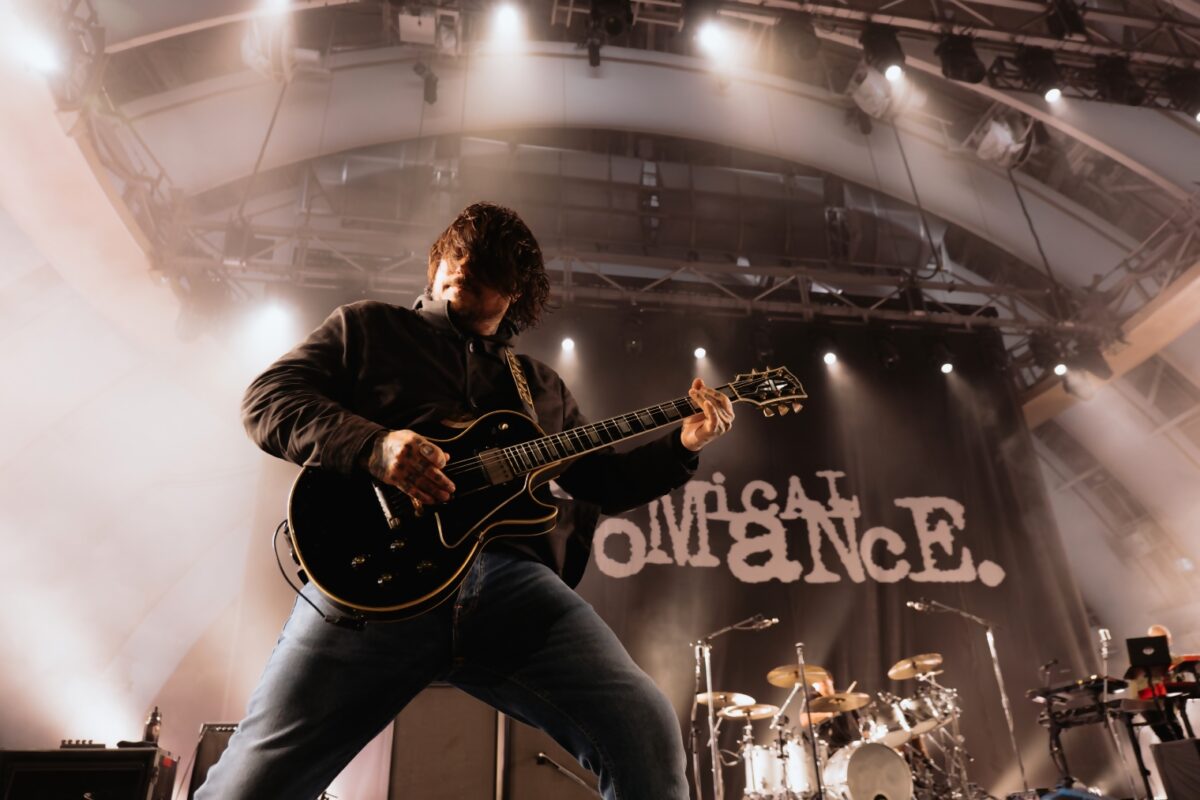
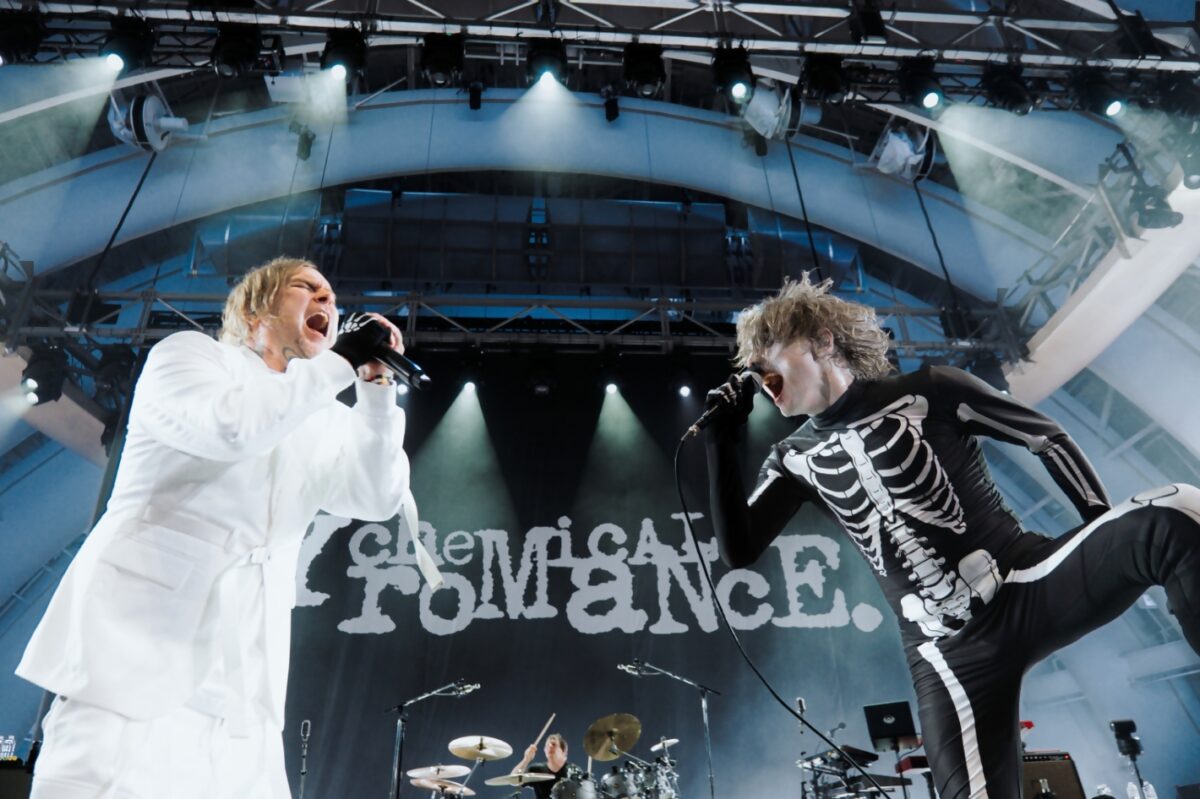
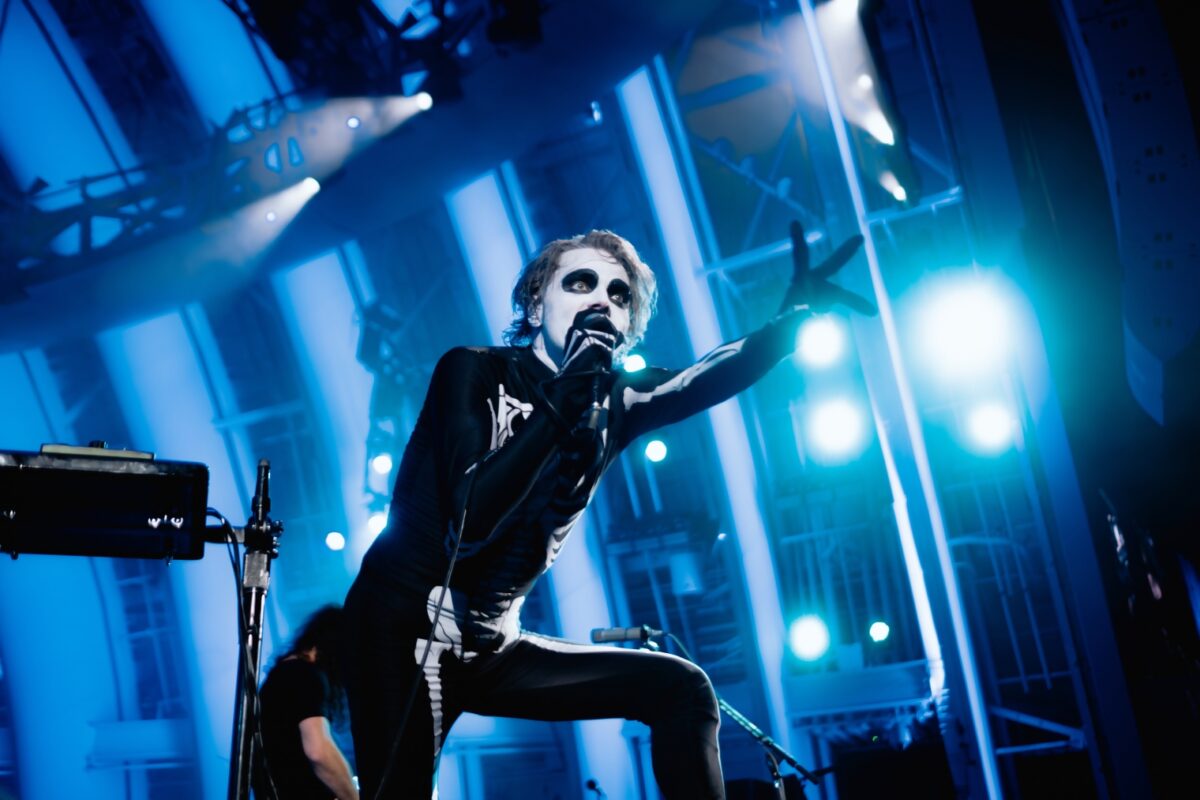
Two decades after we’d been introduced to their black-and-white marching band uniforms, this tour brought the arena band to sold-out stadiums. And while trends cycle in and out in 20-year loops, the momentum only continued to build as My Chemical Romance reached the end of the run. To cap off years of massive shows, they returned to Los Angeles, where bassist Mikey Way calls home. Here, just before heading to Asia for the last few shows, they played five unique and intimate sets at the iconic Hollywood Bowl — three final Black Parade sets that included cheerleaders (a lawsuit) and a gunfight, a nuke, an assassination, and so much more, much of which is best left to the sleuths on Reddit to explain, and two shows that remained a mystery: Devil’s Night on October 30th, and a special Halloween gig.
In sharp contrast to the extravagant production of the ‘”Long Love” The Black Parade’ tour, Hollywood saw the band strip things back and let the setlists star: a true fantasy for tried-and-true fans. If you’re anywhere near MCR on social media, you’ve already seen Way’s impeccable performance of fan favourite ‘Early Sunsets Over Monroeville’ on Saturday, a song that had not been played in a live setting since 2003, and you’ve likely encountered The Used’s Bert McCracken reuniting with Way onstage after their 20-year “beef” to sing ‘You Know What They Do to Guys Like Us in Prison’. As McCracken reassured us former MySpace users during his band’s opening set, “Mom and Dad are back together!”
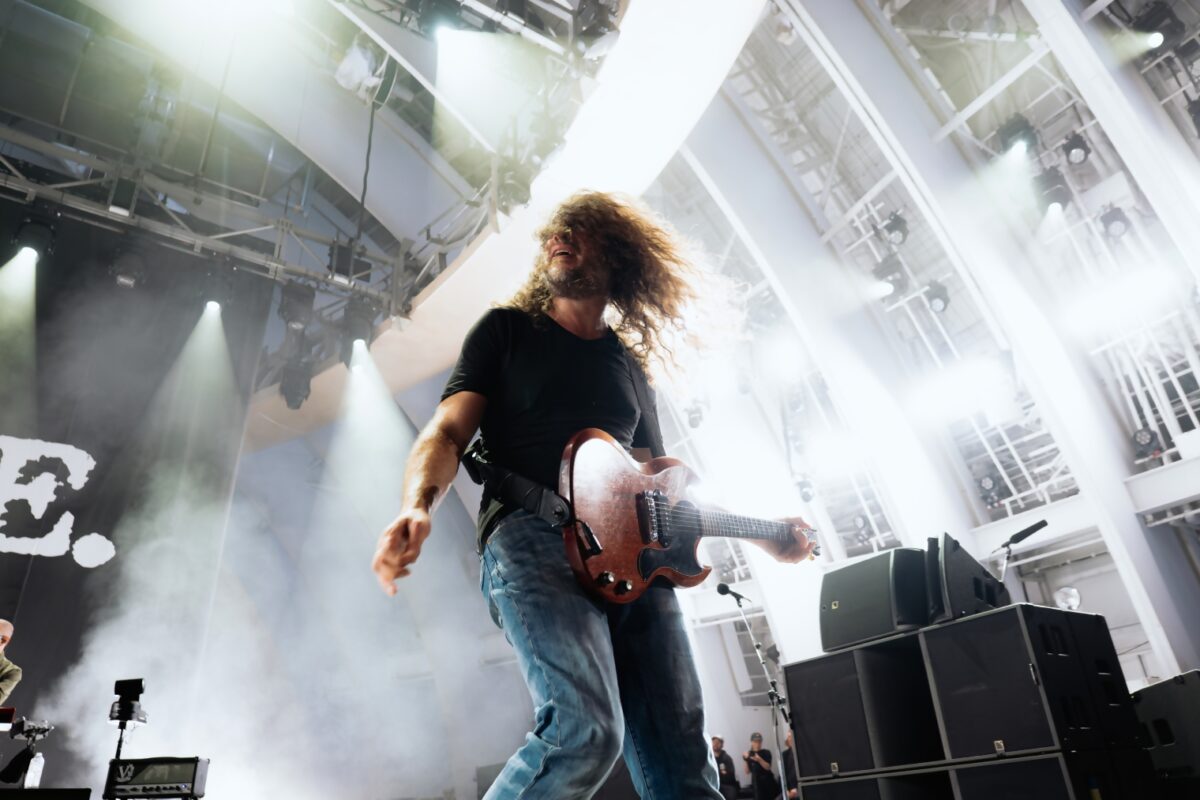
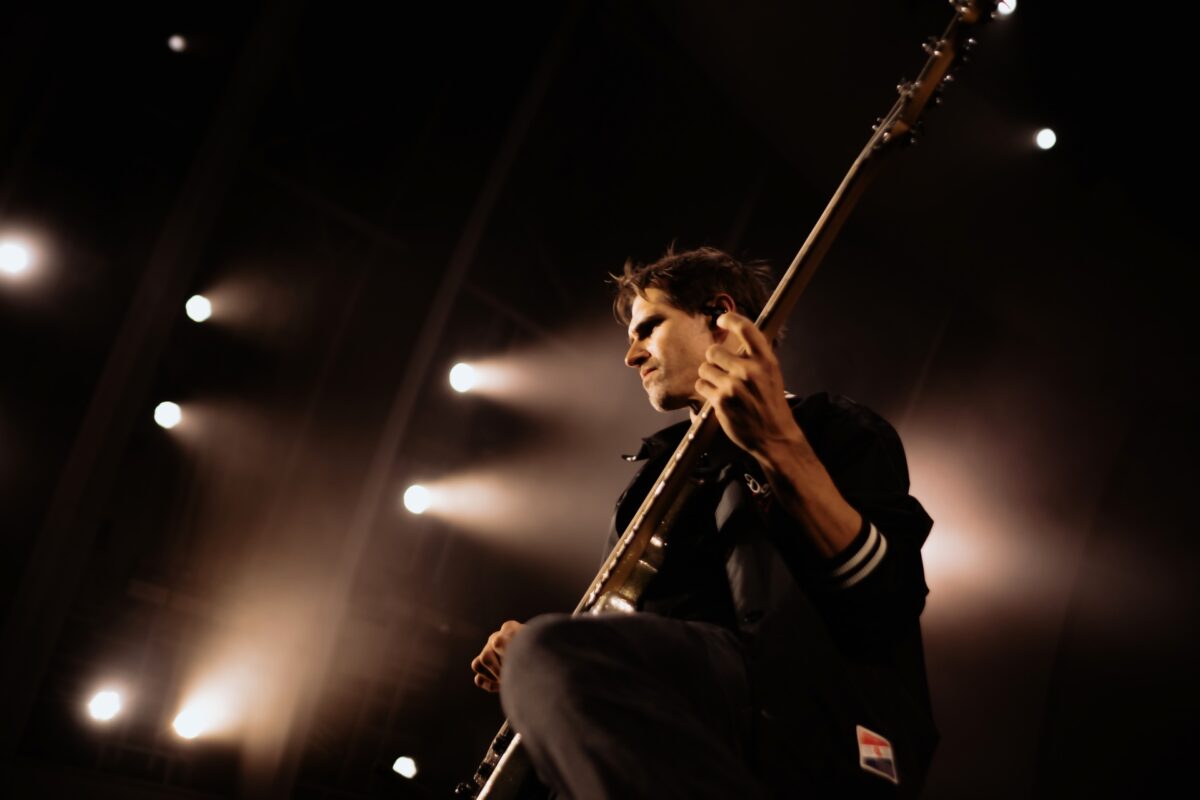
But it wasn’t just the showmanship that made these shows stand out; it was also the musicianship. The band sounded tighter than ever; Way’s vocal performance did not disappoint, powerful and full of personality while simultaneously laden with impressive screaming. Ray Toro’s immaculate solos and metallic noodling not only stand the test of time, but showcase just how underrated he is as a truly generational guitar player. Mikey Way leaves nothing behind, darting across the stage with deftness, wielding his bass like the weapon it is across each throttling track. At the same time, Frank Iero drives it all home with riffy rhythm guitar that grinds especially hard on the rougher, earlier tracks and gives punk edge to the glossier ‘Danger Days’ and ‘The Black Parade’ tracks.
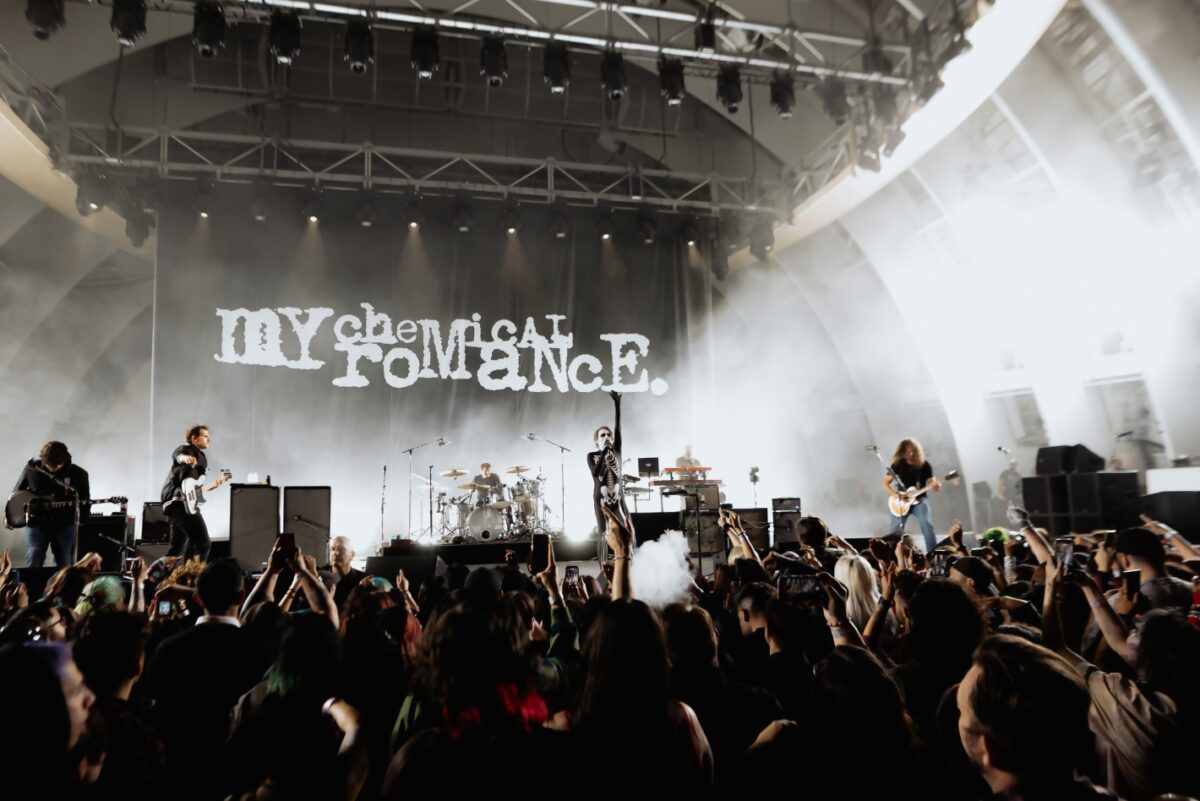
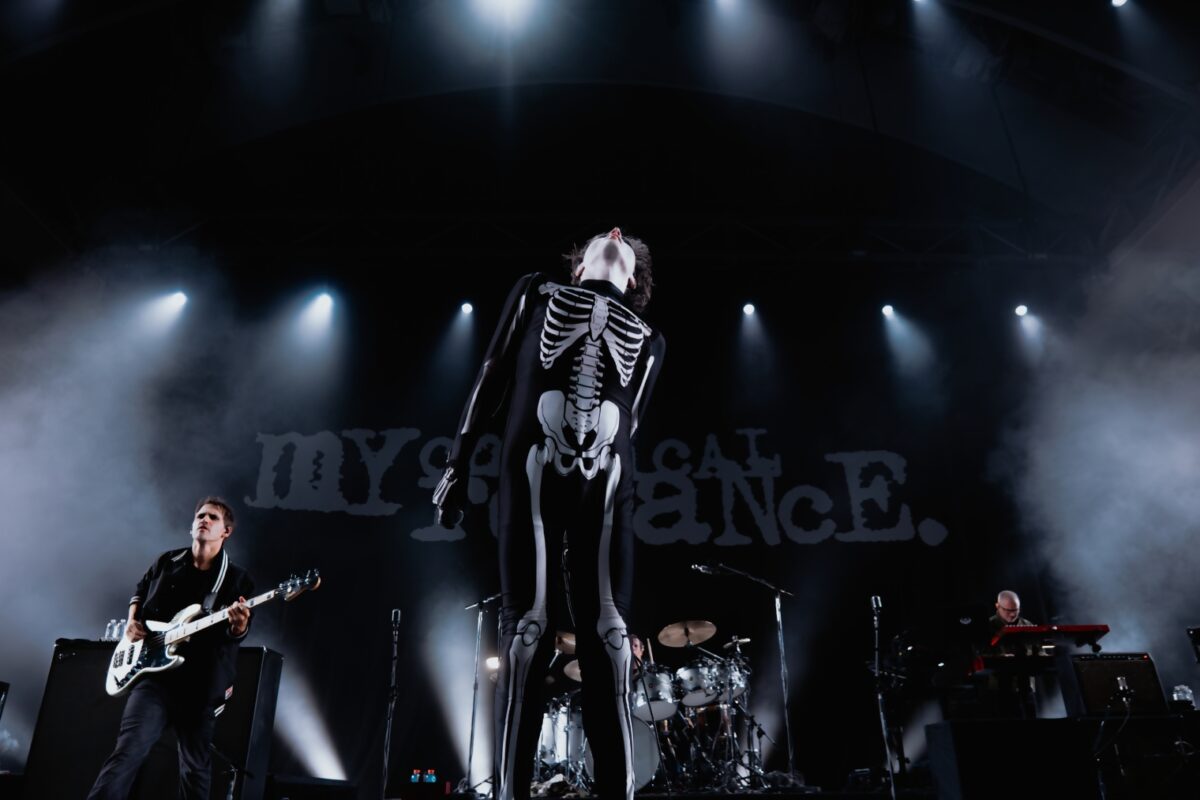
This band has no time for nostalgia for nostalgia’s sake. They brought back ‘The Black Parade’ and more, with purpose, intention, and a statement. For these reasons and more, MCR’s five-day residency at the Bowl will go down in alternative music history. While we could surely handle more, and fans around the globe are certainly clamouring to experience what Los Angeles did these past couple of weeks, after Asia, the band has a different plan — though it’s one we can’t argue with. On Friday, during Devil’s Night, Way let the audience know what’s in store for 2028: at long last, a new album. The band, he claims, will spend the next year making it.
For fans, 12 months of silence may be deafening, but after 15 years and a remarkable resurrection, it’s sure to be something worth waiting a little bit longer for.